



Exploring the psychological impact of gambling in casinos
Exploring the psychological impact of gambling in casinos
The Allure of Gambling: Why People Are Drawn to Casinos
Gambling in casinos has a powerful allure that captivates individuals from all walks of life. This attraction can be attributed to several factors, including the thrill of chance, the potential for financial gain, and the social environment that casinos provide. Many people find excitement in risking money in hopes of winning big, often leading to an adrenaline rush that can be intoxicating. This thrill, combined with the ambiance of flashing lights and sounds, creates an immersive experience that entices players to return. Online platforms like https://cold-bet.games/ also contribute to this excitement, offering unique gaming experiences with various promotions.
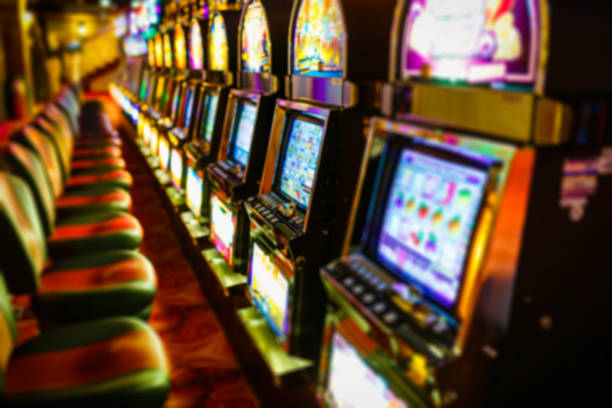
Moreover, the social aspect of gambling cannot be overlooked. Casinos are often bustling with activity, making them a hub for social interaction. People come together, share experiences, and enjoy each other’s company while engaging in games of chance. This social engagement can enhance the overall experience, making individuals feel a sense of community and belonging. The environment also allows for shared emotions, whether it’s the exhilaration of a win or the disappointment of a loss.
Psychologically, the environment of a casino is designed to keep players engaged. From the layout of the gaming floors to the sounds and sights, every element is crafted to heighten excitement. This manipulation of sensory stimuli plays a significant role in the decision-making process of gamblers, often leading them to make impulsive choices. Casinos leverage psychological principles to create an atmosphere that encourages prolonged play, making it challenging for individuals to leave, even when they may be experiencing losses.
The Impact of Cognitive Biases on Gambling Behavior
Cognitive biases significantly influence how gamblers perceive risk and reward in casinos. One common bias is the “gambler’s fallacy,” which leads individuals to believe that past outcomes will influence future results. For example, a player who has lost several rounds may feel that they are due for a win, prompting them to continue gambling despite mounting losses. This fallacy can create a dangerous cycle of chasing losses, as players rationalize their decisions based on flawed reasoning.
Another prevalent cognitive bias is the illusion of control, where gamblers believe they can influence the outcome of games of chance through skill or strategy. This is particularly evident in games like blackjack, where players feel that their choices can sway the results. This belief can lead to overconfidence, encouraging players to wager more than they should. The psychological impacts of these biases often result in detrimental financial and emotional consequences, reinforcing negative behaviors.
Understanding these cognitive biases is critical for recognizing when gambling behaviors become problematic. Awareness can help individuals acknowledge the irrational thought patterns that may lead them to gamble irresponsibly. Casinos, while not responsible for players’ decisions, often capitalize on these biases to drive profits. This highlights the importance of educating gamblers about the psychological influences at play, empowering them to make more informed choices.
The Role of Emotions in Gambling Decisions
Emotions play a significant role in gambling behavior, often leading to impulsive decisions that can exacerbate the risks associated with gambling. The excitement of winning can evoke feelings of euphoria, while losses may trigger frustration or despair. These emotional fluctuations can cloud judgment, pushing individuals to chase losses or take unnecessary risks to regain their previous winnings. The interplay of emotions and gambling can create a rollercoaster experience that is both thrilling and dangerous.
Additionally, many gamblers use gambling as a coping mechanism for stress, anxiety, or other negative emotions. Engaging in gambling can provide an escape from reality, allowing individuals to forget their problems temporarily. However, this reliance on gambling as a form of emotional relief can lead to compulsive behaviors, making it challenging for individuals to disengage when they need to. This dynamic emphasizes the need for addressing the underlying emotional triggers that lead to gambling in the first place.
Furthermore, the social environment in casinos can amplify emotional responses. Winning in a group setting can enhance the feeling of joy, while losing in front of others can lead to embarrassment or shame. This communal aspect of gambling adds another layer of complexity to emotional decision-making, as individuals may feel pressured to continue playing even when they want to stop. Understanding these emotional factors is essential for developing healthier gambling habits and fostering a more sustainable approach to gambling activities.
The Consequences of Problem Gambling
Problem gambling can have severe consequences, impacting not only the individuals involved but also their families and communities. Financially, individuals may find themselves in precarious situations, depleting savings, accumulating debt, or even resorting to illegal activities to fund their gambling habits. This financial strain can lead to a cascade of issues, including relationship breakdowns, job loss, and emotional distress, creating a cycle that is difficult to break.
Psychologically, problem gambling is often associated with higher rates of anxiety, depression, and substance abuse. Many individuals struggling with gambling addiction may feel isolated or ashamed, which can exacerbate their mental health issues. The stigma surrounding gambling addiction can prevent individuals from seeking help, further entrenching them in their destructive behaviors. Recognizing the signs of problem gambling is crucial for both individuals and their loved ones, as early intervention can lead to more favorable outcomes.
Moreover, the societal impact of problem gambling cannot be overlooked. Communities may bear the burden of increased healthcare costs, lost productivity, and crime rates associated with gambling-related issues. Governments and organizations are becoming more aware of these challenges and are implementing measures to promote responsible gambling and support those in need. This emphasizes the importance of creating a safe gambling environment and prioritizing mental health resources to mitigate the adverse effects of gambling addiction.

Conclusion: Understanding the Psychological Landscape of Gambling
The psychological impact of gambling in casinos is a multifaceted issue that encompasses the allure of risk, cognitive biases, emotional influences, and the consequences of problem gambling. Understanding these elements is vital for individuals, policymakers, and industry stakeholders alike. By fostering awareness and education about the psychological dynamics at play, we can promote responsible gambling practices and support those in need of help.
As more people turn to online platforms for their gaming experiences, understanding the psychological aspects becomes even more crucial. Online casinos, like Coldbet, strive to create a fun and engaging environment while also recognizing the importance of responsible gaming. With features such as self-exclusion options and educational resources, these platforms aim to empower players, helping them make informed decisions about their gambling activities.